

IEC 60068-2-64

KEY POINTS AT A GLANCE
DIN EN IEC 60068-2-64
DIN EN IEC 60068-2-64 specifies test methods for broadband random vibrations, such as those encountered in real-world operation due to road traffic, rail transport, aviation, shipping or industrial applications.Sie ist eine der wichtigsten Normen zur Prüfung der mechanischen Belastbarkeit von Batterien, Elektronik und kompletten Baugruppen unter realitätsnahen Vibrationsbedingungen.
Significance of DIN EN IEC 60068-2-64
Random vibrations can:
-
Solder joints become fatigued
-
Loosen the connectors
-
Damage to printed circuit boards
-
Applying mechanical stress to battery cells
-
Subject the housing and fixings to continuous stress
-
Causing material fatigue over long periods of operation
The standard ensures that products continue to function reliably even under complex and random vibration loads.
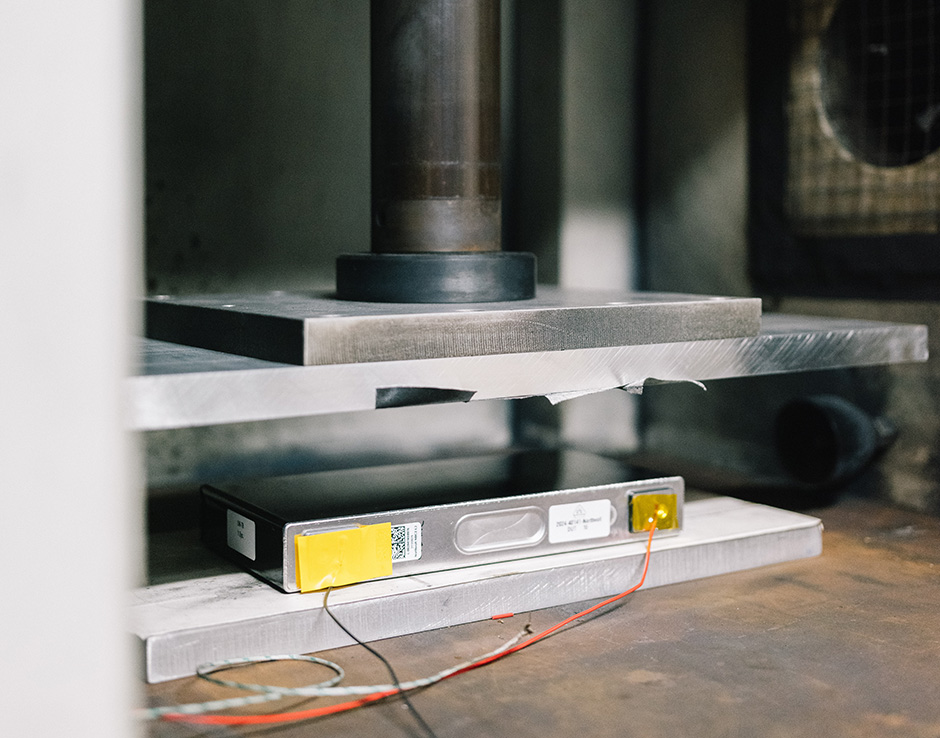
We offer all the tests required to ensure full compliance:
Accredited testing laboratory
We carry out random vibration tests in accordance with relevant standards using state-of-the-art electrodynamic shakers.
Many years of experience
We test batteries, energy storage systems, electronics, automotive components and industrial products in accordance with international vibration standards.
Testing procedures from a single source
We offer:
Random vibration testing in accordance with DIN EN IEC 60068-2-64 and other similar standards, multi-axis vibration testing, customised PSD profiles, transport and service life simulations, combinations with functional tests
Quick results
Optimised test procedures enable short turnaround times and rapid evaluation.
State-of-the-art laboratory technology
Our test systems enable: frequency ranges from 5 Hz to over 2,000 Hz, high peak-to-root-mean-square accelerations (Grms), precise control of power spectral density (PSD), and real-time monitoring of test specimens
Customised test programmes
We develop test profiles tailored to your application or implement existing standards precisely.
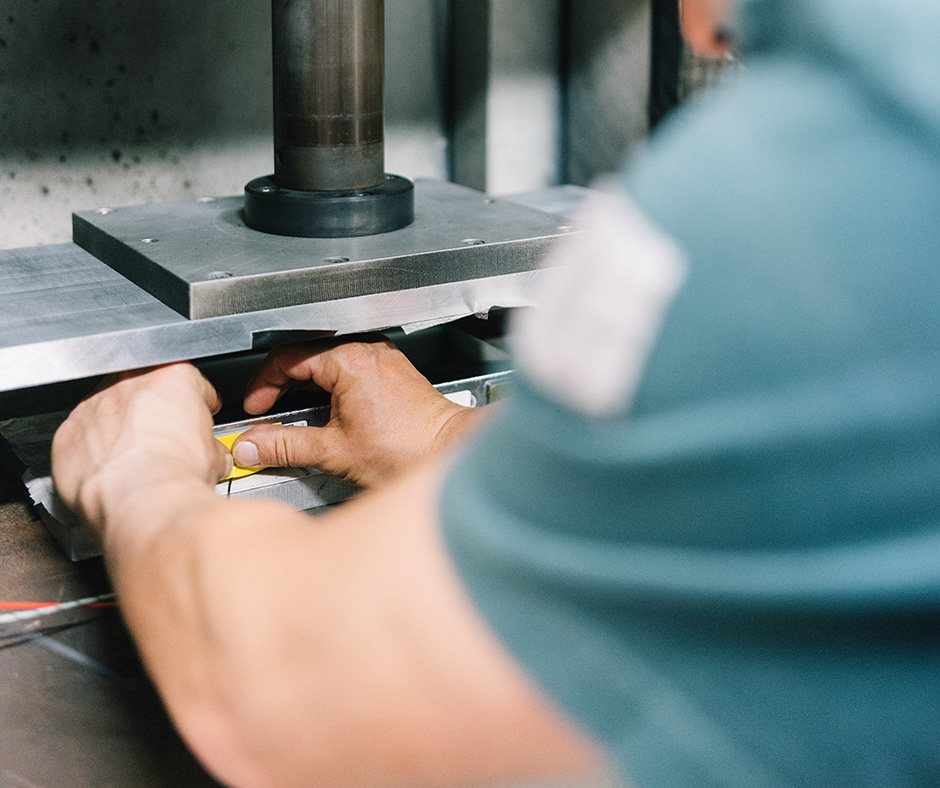
Random vibration test
Typical parameters:
-
Frequency range: e.g. 5 Hz to 2,000 Hz
-
PSD (Power Spectral Density) profile
-
Total load in Grms
-
Test duration per axle, depending on the standard or load profile
-
Testing in the X, Y and Z directions
Purpose of the audit
-
Verification of mechanical robustness
-
Simulation of real-world transport and operational loads
-
Detection of defects and material fatigue
-
Ensuring proper functioning during and after exposure to vibration
FREQUENTLY ASKED QUESTIONS & ANSWERS
A product’s ability to withstand random broadband vibrations, such as those encountered in real-world operating and transport conditions.
Batteries, battery systems, power electronics, automotive components, industrial plant, railway technology, military and defence, aerospace technology and electronic assemblies.
DIN EN 60068-2-6:
Sine-wave oscillations with a defined frequency and amplitude – ideal for resonance testing and continuous loading.
DIN EN IEC 60068-2-64:
Random broadband vibrations with a PSD profile – for realistic simulation of complex vibration loads in practical applications.
STAY INFORMED AT ALL TIMES
Further relevant standards and regulations for lithium-ion batteries, which are crucial for safety, performance and regulatory requirements.


ABOUT THE AUTHOR
Alexander Roth
Alexander Roth is Head of the Testing Laboratory at Batteryuniversity and an expert in the testing and certification of lithium-ion batteries.