

EN 60068-2-6

KEY POINTS AT A GLANCE
DIN EN 60068-2-6
DIN EN 60068-2-6 describes test methods for sinusoidal vibrations as they occur in real-world operation: engine vibrations, transport loads, machine vibrations, or resonance phenomena. It is essential for the long-term mechanical durability of batteries, electronics, and technical assemblies.
Vibrations can:
-
Solder joints fatigue
-
-
Breaking circuit boards
-
damage cells
-
Trigger resonance
-
Loosen screw connections
The standard ensures that products are permanently vibration-resistant. Our services in accordance with DIN EN 60068-2-6
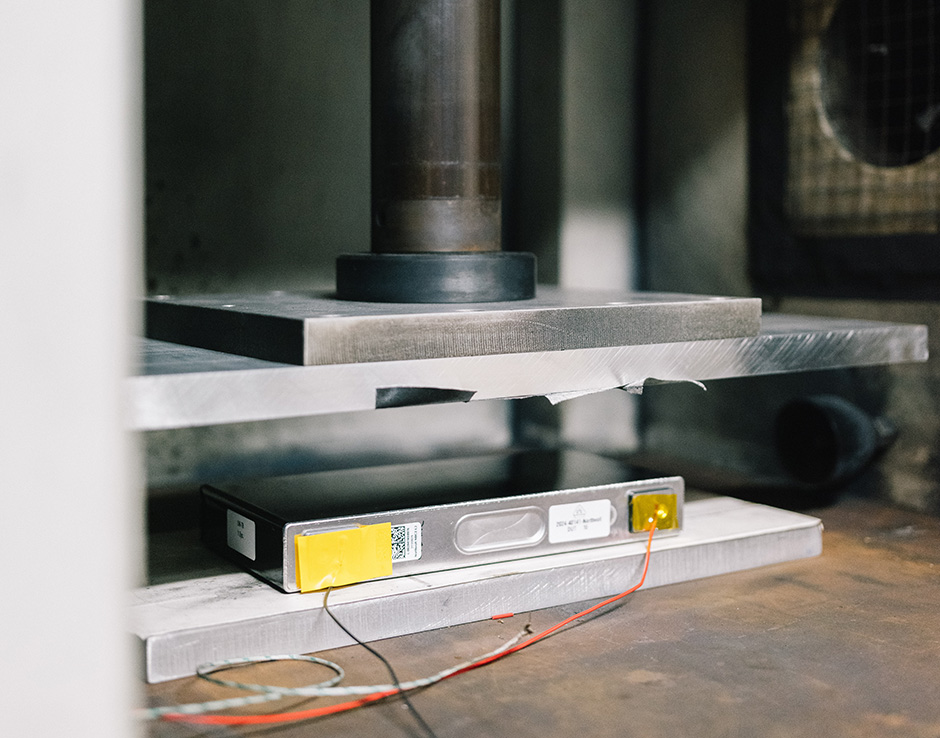
Good reasons to choose us as your partner for DIN EN 60068-2-6 certification
Accredited testing laboratory
We conduct standard-compliant sinusoidal vibration tests using state-of-the-art electrodynamic vibration exciters.
Many years of experience
We have been testing batteries, electronics, and industrial products in accordance with 60068-2-6 for many years.
Testing services from a single source
We offer: Frequency sweeps, resonance detection, continuous loading at resonance, multi-axis vibration testing, and testing with shaker forces of up to several kN
Quick results
Efficient processes enable short testing times.
State-of-the-art laboratory technology
Our shakers allow you to:
Frequencies from 5 Hz to > 2 kHz, accelerations up to > 50 g, precise control of amplitude and velocity
Customized testing methods
We tailor the test profiles precisely to your application.
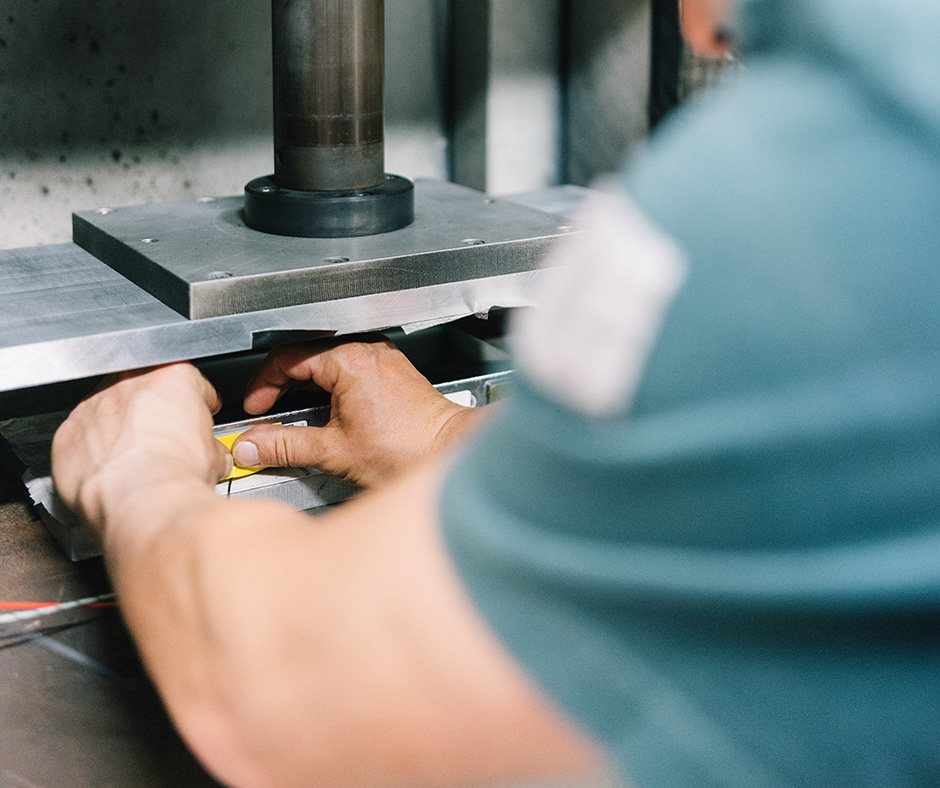
Sine Wave Vibration Test
Lithium-ion batteries in electric vehicles must meet specific requirements to ensure safe use. Improper design or a lack of protective measures can lead to safety-critical incidents. DIN EN 50604-1 defines specific test procedures to ensure safety under real-world operating conditions. For manufacturers and suppliers, certification is a key component for market access and proof of the highest safety standards. Batteryuniversity provides expert guidance throughout the entire certification process and ensures smooth implementation of the standard requirements.
Typical parameters:
-
Frequency range: 5 Hz – 500 Hz (or higher)
-
Sweep rate: e.g., 1 octave per minute
-
Acceleration: e.g., 5 g, 10 g, 20 g
-
Duration: several hours per axle
Purpose of the audit
-
Determination of resonance frequencies
-
Proof of mechanical durability
-
Ensuring proper functioning during and after vibration
The testing and certification process for DIN EN 60068-2-6
Certification according to DIN EN 50604-1 takes place in several phases. First, our experts examine the battery’s design, technical specifications, and intended use to determine the specific testing requirements. The battery then undergoes various tests:
Stress tests
-
short circuit
-
Overloaded
Mechanical tests
-
Vibration
-
Squeeze
Thermal testing
-
Temperature cycles
-
Overheating
These tests simulate real-world conditions to ensure operational safety. Upon successful completion, you will receive a detailed test report as proof of compliance. We will continue to support you even after certification to help you stay up to date with future changes to standards.
FREQUENTLY ASKED QUESTIONS & ANSWERS
EN 60068‑2‑6 defines sinusoidal vibration testing, simulating mechanical stresses such as transport, operational vibration and long‑term mechanical loads. It is a key standard for the mechanical qualification of electronic components and battery systems.
A product's ability to withstand sinusoidal vibrations over an extended period of time.
Batteries, electronics, automotive modules, industrial and railway technology, aerospace.
• 60068-2-6: Sine wave vibration (harmonic) • 60068-2-64: Broadband noise (random vibration)
Both tests cover different mechanical stress scenarios and help identify weak points early, reduce field failures and improve overall product reliability.
A wide range of electronic and electromechanical systems: batteries, modules, packs, control units, sensors, industrial electronics, automotive components, aerospace systems and more.
Frequency range, acceleration (g‑levels), displacement, pulse shape, pulse duration, axes, resonance behaviour and structural changes.
Shock tests usually take a few hours; vibration tests can take several hours to multiple days, depending on scope.
Yes. Batteryuniversity operates accredited vibration and shock test systems and performs both standards regularly – including for large battery modules and packs.
STAY INFORMED
Additional relevant standards and regulations for lithium-ion batteries that are critical to safety, performance, and regulatory requirements.



ABOUT THE AUTHOR
Alexander Roth
Alexander Roth is the head of the testing laboratory at Batteryuniversity and an expert in the testing and certification of lithium-ion batteries.